Unknown's avatar

About robmcdonald49

Chef, Engineer, Kitchen Geek.

Burns Night

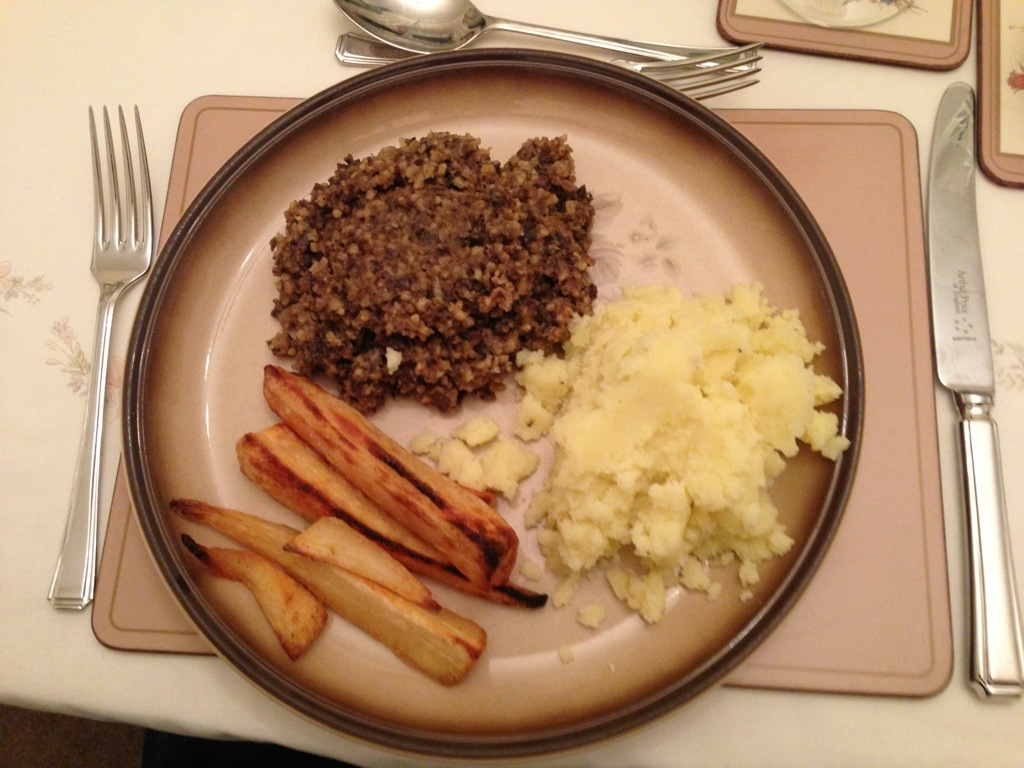
Burns Night is a great excuse to enjoy my (somewhat dubious) Scottish heritage. Last week I cooked a couple of times, from a very simple rendition, to a more complicated one.

20130127-114822.jpg

Haggis is a wonderful ingredient and can be either the main event or a supporting player. It’s already starting to appear on more menus and I’m sure it’ll feature in plenty if dishes this year!

20130127-114916.jpg

Neeps (or Turnips/swedes) are not high up my list of favoured vegetables – there’s a reason we don’t eat them the rest of the year! I choose to interpret them as roasted parsnips which add a welcome crunch and the sweetness is great with the spicy haggis. Mashed potato is an obvious staple – but you can leave it out if you’re doing more courses as the haggis is quite heavy.

My favourite rendition is this – Scottish Venison, served pink, on haggis and spinach, roasted parsnips and figs, with a whisky cream sauce.

20130127-114955.jpg

The flavours work really well together – I love the spicy sweet combo of the haggis and figs. The spinach adds some freshness and the delicate note of the whisky in the creamy sauce ties it all together (flame off the sauce carefully!)

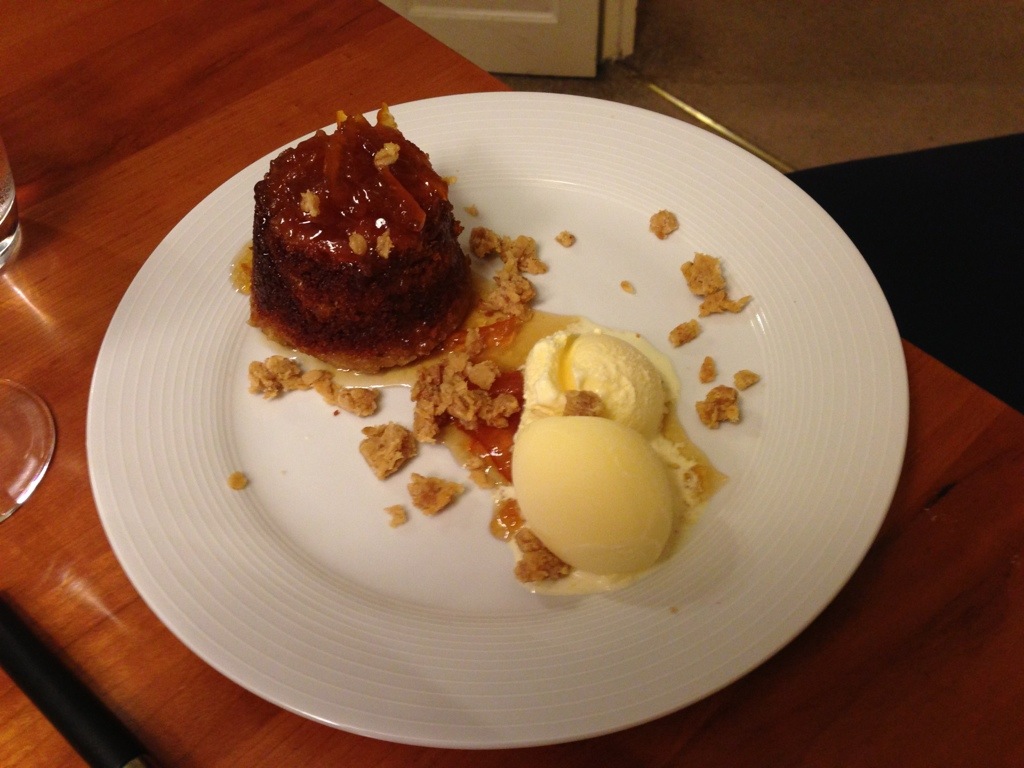
For dessert people often serve cranachan, I like doing another Scottish staple – marmalade. This recipe is one of my favourites and the result is a light and fluffy sponge with a lovely whisky orange sauce. I added some fresh ginger ice cream and a bit of crumbled flapjack for texture. The very cold weather meant that I could chill my ice cream mix to almost freezing on the balcony before churning it, making it very smooth and silky!

20130127-115031.jpg

Slàinte!

Marmalade

Like brewing, pastry and baking, preserves are one of those fascinating areas of cookery that is an entire artform in itself. From pickled eggs to strawberry jam the goal is to make food last, to allow seasonal produce to be enjoyed at any time of the year. Winter can be a bit sparse for british produce, but further afield things are well underway.

20130122-150512.jpg

Seville oranges are in season for only a couple of weeks each year, they a relatively small and much tarter than a normal variety, this translates to excellent marmalade! If you’ve never tried making it before you really must, it’s simple and very rewarding. If made carefully it should last for up to two years and makes a great gift.

20130122-150604.jpg

There are lots of different recipes available and i’ve tried a couple over the years, Delia offers a good option but it ends up very strong, my favourite is one from Pam Corbin, it creates quite a delicate flavour and softens up the peel nicely.

Marmalade

Ingredients
Makes 6-7 x 450g jars
1kg Seville Oranges
75ml lemon juice (fresh)
2kg demerera sugar (my sainsburys does convenient 2kg plastic bags of it)

Method
Scrub the oranges, remove the buttons at the top of the fruit, then cut in half. Squeeze out the juice and keep to one side. Using a sharp knife, slice the peel (pith and all) into think, medium or chunky shreds, according to your preference. Put the sliced peel into a bowl with the orange juice and cover with 2.5 litres of water. Leave to soak overnight or for up to 24 hours.

20130122-150739.jpg

Transfer the whole mixture to a preserving pan, bring to the boil, then simmer slowly, covered, until the peel is tender. This should take approximately 2 hours (mine was very tender by the 90 minute mark, so do check it), by which time the contents of the pan will have reduced by about one-third.

20130124-142329.jpg

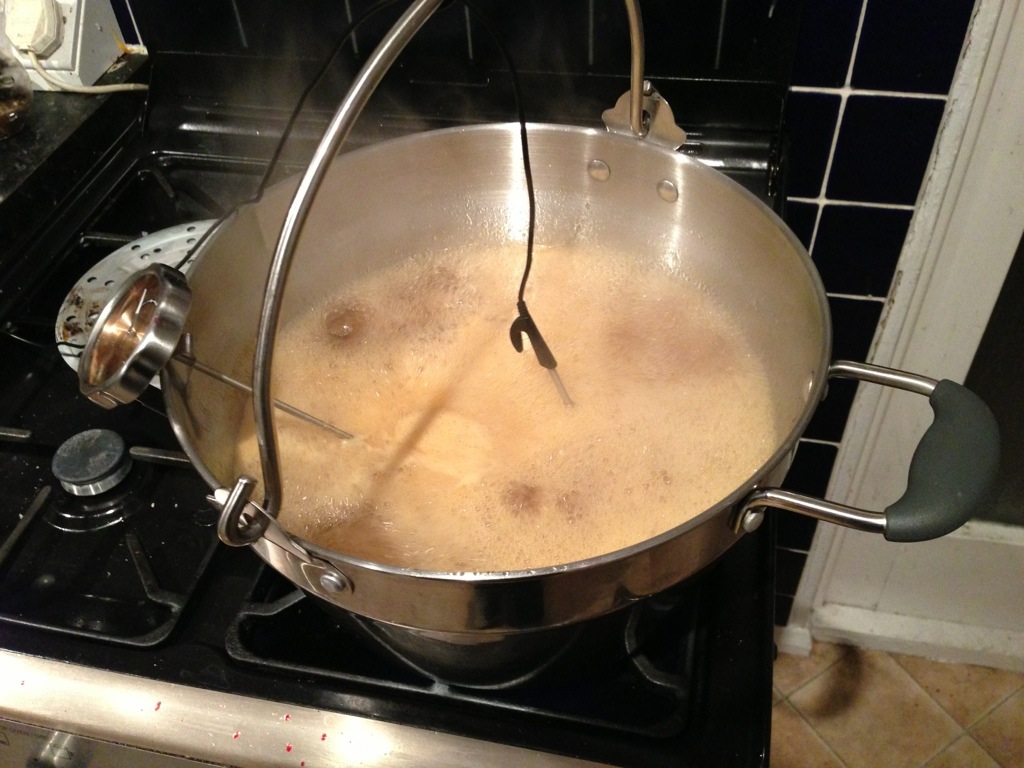
Stir in the lemon juice and sugar. Bring the marmalade to the boil, stirring until the sugar has dissolved. Boil rapidly (to get a light flavour) until the setting point is reached – 104.5°C – about 20-25 minutes (I find it can take a little longer, more like 40 minutes on my hob).

20130124-142503.jpg

Remove from the heat. Leave to cool for 8-10 minutes – a touch more if the peel is in very chunky pieces – then stir gently to disperse any scum. Pour into warm, sterilised jars and seal immediately. Use within two years.

20130124-142822.jpg

Pied de Cochon farci aux Morilles

Some dishes are forever linked with their creator, or simply the chef who made them famous. Heston Blumenthal gets snail porridge, triple cooked chips, nitro poached tea and anything that involves an iPod. Raymond Blanc is known for his tomato risotto, Wylie Dufresne for his Chicken Balls and Ferran Adria for all manner of smokes, foams and spheres. What jumps into the mind of a serious gourmand when you say the name Pierre Koffman? Pigs trotter.

This dish is a masterclass in french cooking, taking excellent (and often underused) ingredients and creating something really wonderful. The premise is misleadingly simple – bone out a pigs trotter, braise it, stuff it with a chicken mousse loaded with morels and sweetbreads and serve with a rich sauce. Sounds good right!?

The first challenge is getting the ingredients – pigs trotters are ‘relatively’ common thanks to their use in sauces (as a natural source of gelatin) but they still need some tracking down. Thankfully Allen’s of Mayfair had a couple.

20130119-215706.jpg

The next item on the list is veal sweetbread – like most offal these should be as fresh as possible, very few butchers carry them but they are delicious. Contrary to popular belief, they’re not brains or testicles, but rather the thymus gland. They need to be lightly poached before having the membranes removed. Allen’s came up trumps again, but they only had the lambs variety (bovine/ovine – what’s a ‘b’ between friends!?) If you’ve never tried them – I urge you to give it a go, they are incredibly tasty. Little balls of savoury goodness, just dust them with a little flour and pan fry, the results are magical.

20130119-215816.jpg

Next up is the morel mushrooms. These generally appear from March to May and are a wonderful sign of spring – sadly i’m still in the depths of winter and the only place that could offer me some was Selfridges. Don’t ask about the price.

20130119-215856.jpg

The final piece was veal stock – Knorr sadly don’t make veal stock cubes so I threw together my own using Modernist Cuisine at Home’s recipe, it’s very fast and the result is thick and tasty.

20130119-215954.jpg

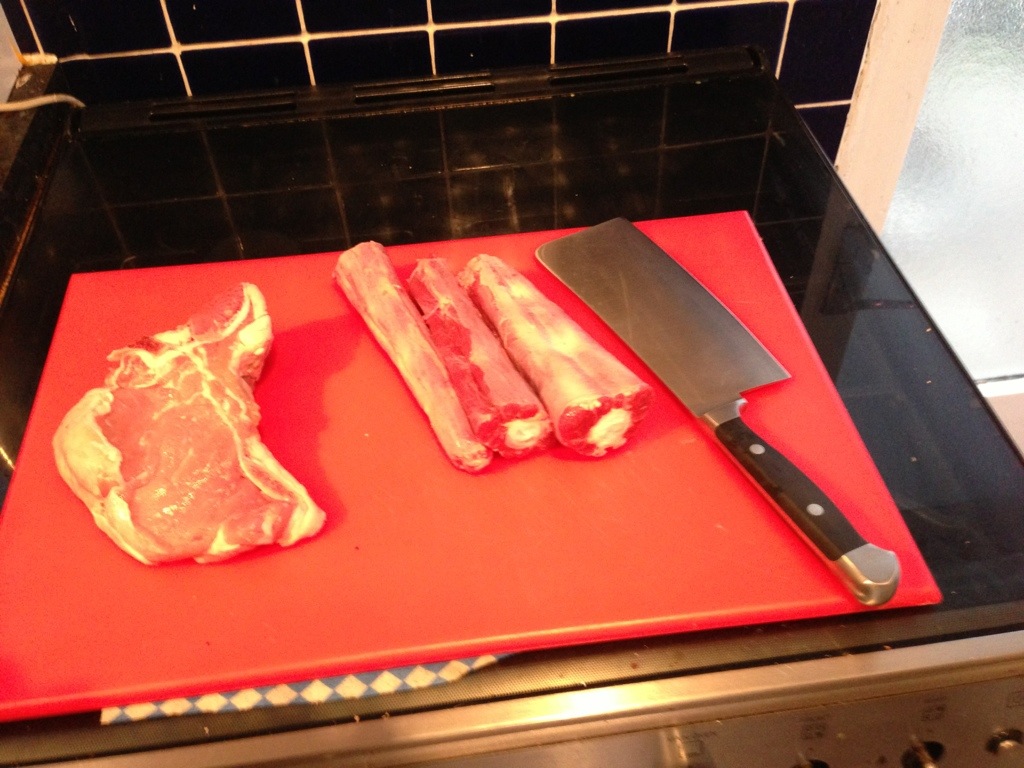
Boning out a pigs trotter is a culinary kilimanjaro. I’m quite happy gutting fish and skinning plaice but this is a whole new ball game. As we’re stuffing the trotters it’s very important not to puncture the skin. You have to carefully work the tip of your knife around the bones and thick sinews – it’s a real work out! The first trotter took thirty minutes, the second one was done in fifteen. Monsieur Koffman used to be able to do it in under a minute.

Once everything’s prepped the actual cooking is very easy – braise the trotter with some mirepoix, veal stock and port for a couple of hours. Meanwhile whip up a quick chicken mousse and fry off the morels and sweetbreads before mixing them through the mousse. Then simply stuff the trotters, roll in foil and chill in the fridge. When you’re ready to serve them simply pop them in the steamer and enjoy!

20130119-220030.jpg

What does it taste like? Amazing. I served it with some simple olive oil mashed potato. The pork is achingly tender, the chicken mousse is smooth and subtle, the morels are rich and nutty and the sweetbreads add a meaty, savoury note. The sauce – made from reducing the cooking stock – is very rich and smooth. It’s a magnificent dish, easily one of the nicest i’ve ever tried. It’s sophisticated, balanced and honest.

20130119-220102.jpg

When I do it again, i’ll order larger trotters so there’s more room for stuffing. I’ll also make sure I braise them at a much lower temperature so there’s less splitting. The only way I could improve on the dish is to copy the garnish Koffman uses in his restaurant – thin slices of pork crackling. A little crunch would be wonderful. Apple/parsnip crisps would accomplish the same goal.

Technically it’s been a great challenge, but the rewards are well worth it – if you fancy taking it on i’d really encourage you – get everything ordered well in advance, book out a whole day and invite some friends round for dinner. They’ll be stunned.

A. Wong

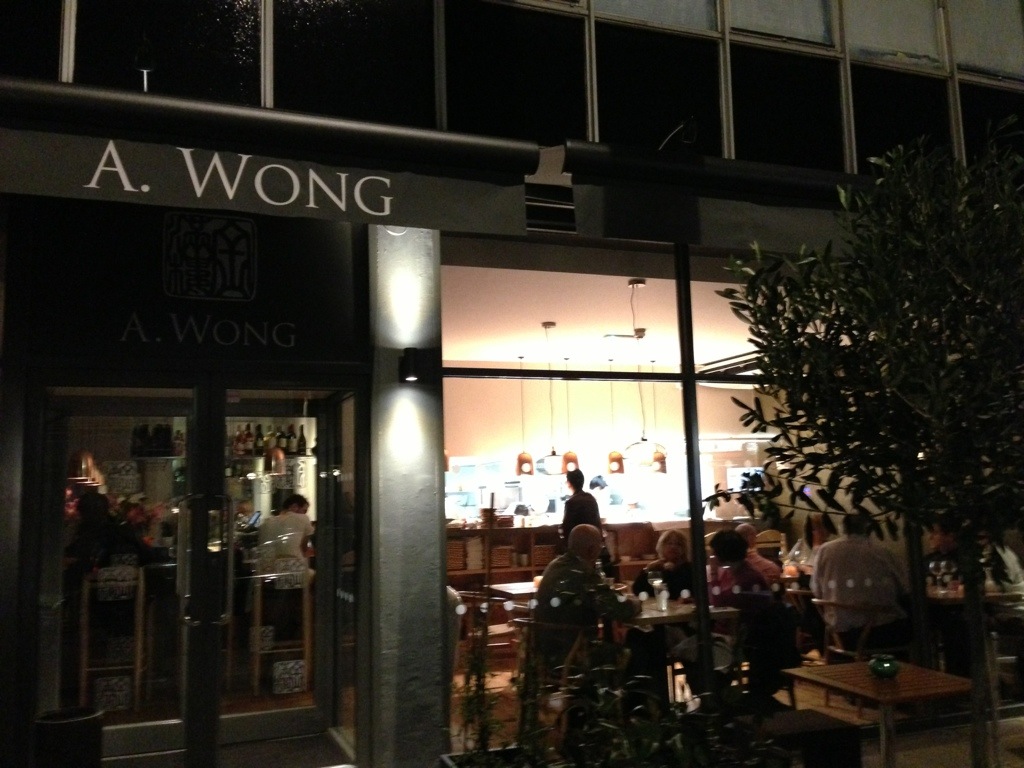
Pimlico is where I live, it’s a lovely little area, tucked behind Victoria, north of the river, east of Chelsea, west of Westminster. There are little family-run shops, great cafes and gorgeous houses – but it also does an excellent line in restaurants. One of the newest is ‘A. Wong’. Opened in December it sits on the site of a rather dingy old chinese, but in a somewhat phoenix-like transformation it’s now a swanky, modern restaurant with a spotless open kitchen and lovely decor.

20130117-214842.jpg

On a freezing Thursday night it was a welcome respite from weather, the staff were welcoming and attentive and the restaurant reassuringly busy. The menu is pretty extensive and takes in a range of chinese styles, but using quality british ingredients. £40 gets you an eight course tasting menu which will have to wait for another time, we plumped for their £13 two course set menu (including a glass of very drinkable wine), brilliant value!

20130117-214932.jpg

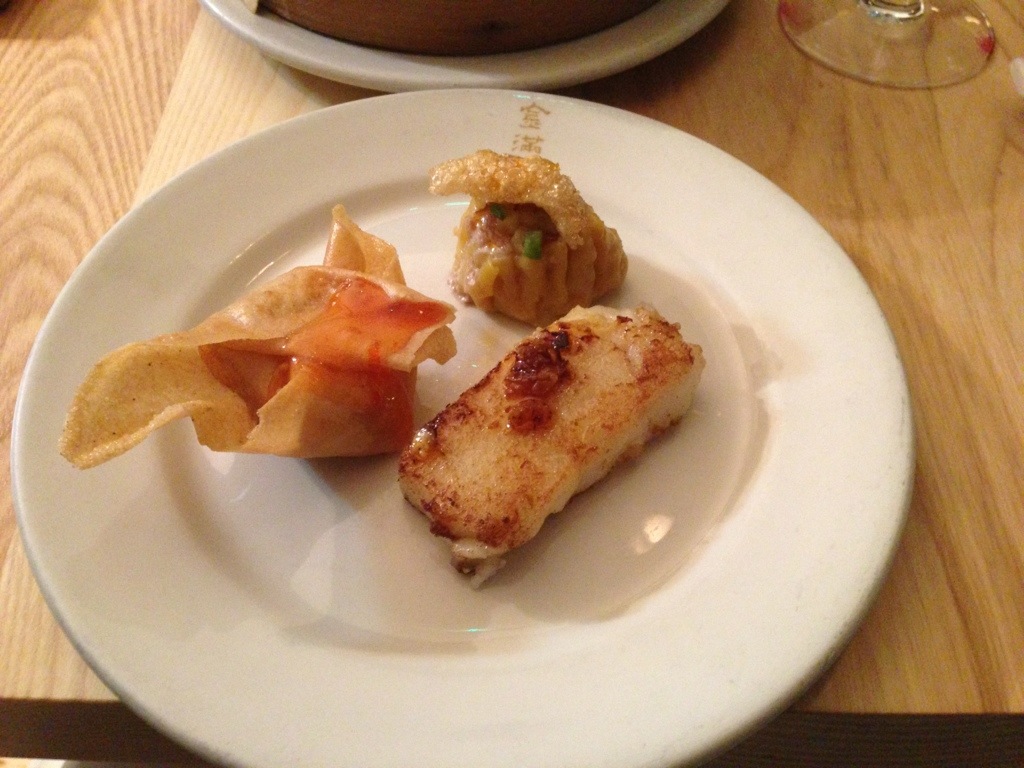
The starter was a lovely dim sum platter, the pork dumpling was an absolute star, generously filled and carefully seasoned.

20130117-215021.jpg

The main was a great beef and noodle dish – rich, savoury and filling.

20130117-215104.jpg

While the service was a little slow, the quality of the food more than made up for it – i’ll definitely be back for more! It’s a welcome addition to the neighbourhood and I can’t wait to sample the rest of the menu!

A. Wong on Urbanspoon

Hollandaise 101

This is the first in a series of posts looking in detail at some common recipes, understanding the science behind them and trialling a number of different approaches. We’ll start with the humble hollandaise sauce.

20130108-203434.jpg

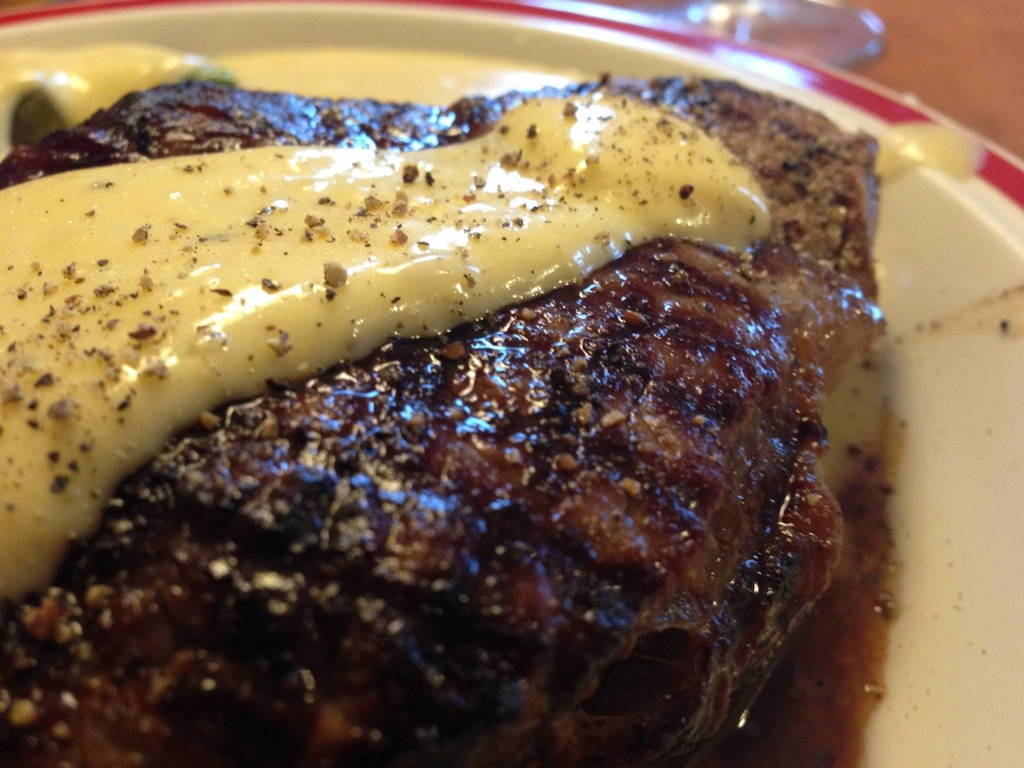
One of the mainstays of French cuisine – Escoffier classed it as one of his mother sauces – it is incredibly flexible. It’s delicious served with vegetables, like asparagus, or poured over freshly cooked meat or fish. It can be served with poached eggs for breakfast or used as a starter. It takes well to flavourings and can be turned into a Mousseline with the addition of some whipped cream and a Maltaise with addition of some orange juice.

Definition
A hollandaise is a rich sauce, made with egg yolks and butter. It is very similar to a béarnaise, the only difference being the flavourings, often in the shape of fresh herbs like tarragon. Mayonnaise is another close cousin, the key differences being the inclusion of mustard and switching the butter for oil. Hollandaise is traditionally flavoured with white wine vinegar and/or lemon juice. If you want a little more heat – cayenne pepper is another common option.

The Science
Like many simple condiments, a hollandaise is essentially an emulsion, a mixture of water (normally in the form of vinegar) with a fat or oil (here, butter). Naturally these two ingredients won’t mix on their own, fat has a tendency to ‘clump’ together which can be very inconvenient to a chef. If the fat clumps then it will float to the top (as it is less dense) this is what happens when a sauce ‘splits’. In some situations, such as salad dressings, mechanical force is enough to break the fat ‘globules’ down into smaller pieces and distribute them throughout the water. This is inherently unstable and over time the two parts will separate out again. In order to keep the two components apart we need some way of overcoming their natural tendencies: an emulsifier.

There are several options but by far the most traditional is an egg yolk. These are packed full of a substance called ‘lecithin’ which is very good at keeping the two components separate, one egg yolk will emulsify up to 2kg oil. It does this by coating the outside of the fat globules with little molecules. These molecules are tadpole shaped, with a round head and long tail. The tails attract fat, while the round heads attract water. This means that the fat globules become coated with the emulsifier (think of an orange or onion studded with cloves and you’re very close). Substances which work like this are known as ‘surfactants’ and it’s exactly the same way detergents cut through grease on frying pans. By coating the outside of the globules, the fat can’t clump together, keeping the sauce silky smooth.

Egg yolks do have some limitations though, they are very temperature sensitive. Harold McGee lists the upper limit as between 70-77ºC. This is strongly affected by pH – adding enough lemon juice to lower the pH to 4.5 allows you to heat the sauce to around 90ºC without splitting it. The sauce will also thicken quickly as it cools and form an unsightly skin – it’s best kept at around 63ºC.

Methods
McGee lists five different ways of making a hollandaise:

  1. Cooking the egg and vinegar mixture, then add whole butter. This is the method used by Carême.
  2. Warming the eggs and vinegar, then whisking in the butter before cooking the sauce. This is Escoffier’s method and gives you much more control over the consistency, though it is very easy to overcook the sauce.
  3. Put all the components in a pan together and whisk as you heat them.
  4. Don’t cook the eggs, just warm them and pour in the liquid butter. You can’t split the sauce this way.
  5. Whip the egg yolks over heat with some water to make a sabayon, then add the butter.

Many popular chefs provide recipes in their cookbooks, Michel Roux and Delia Smith propose Method 4, while Joel Robuchon and Gordon Ramsay suggest Method 5.

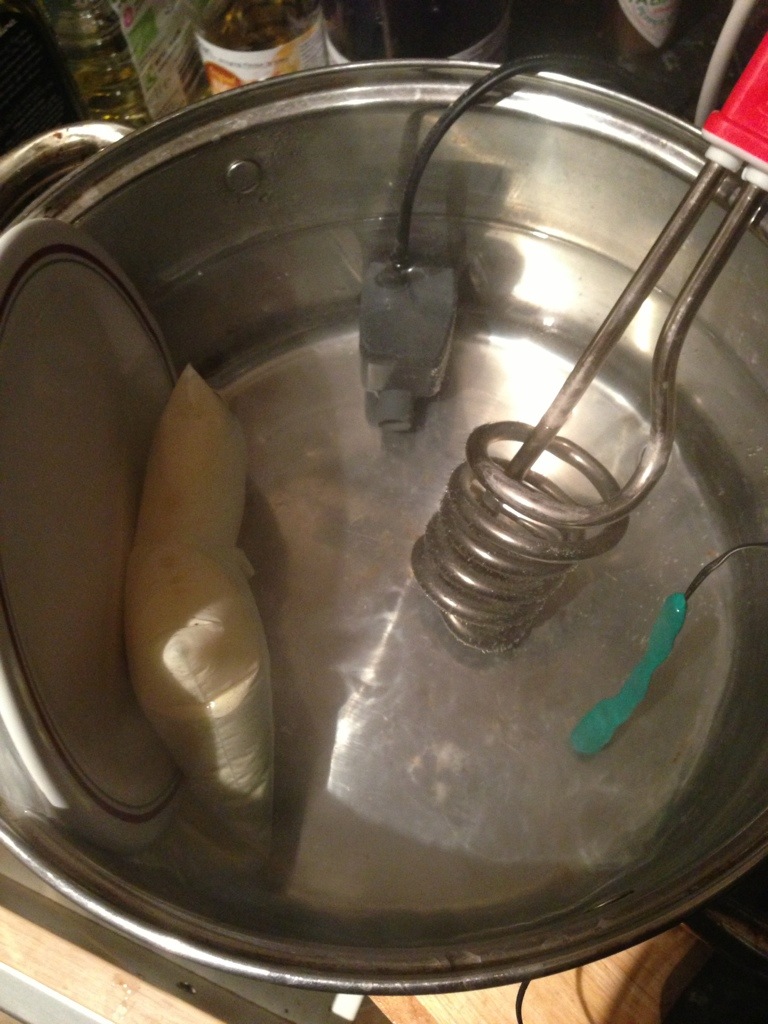
Modernist Cuisine offers an interesting variation on Method 1 – by using a sous vide bath to cook the egg yolk/vinegar mixture first you can remove almost all the risk from the sauce.

20130108-201321.jpg
You simply whisk the butter into the cooked mixture and you’re done! The advantage of a sous vide approach is that you have exact control over the level to which the yolks are cooked. By going slightly warmer and cooler you can adjust the thickness (63ºC creates a light sauce, 65ºC a normal one, 67ºC a thick one).

Results
I tried several of these variations and here are my conclusions:
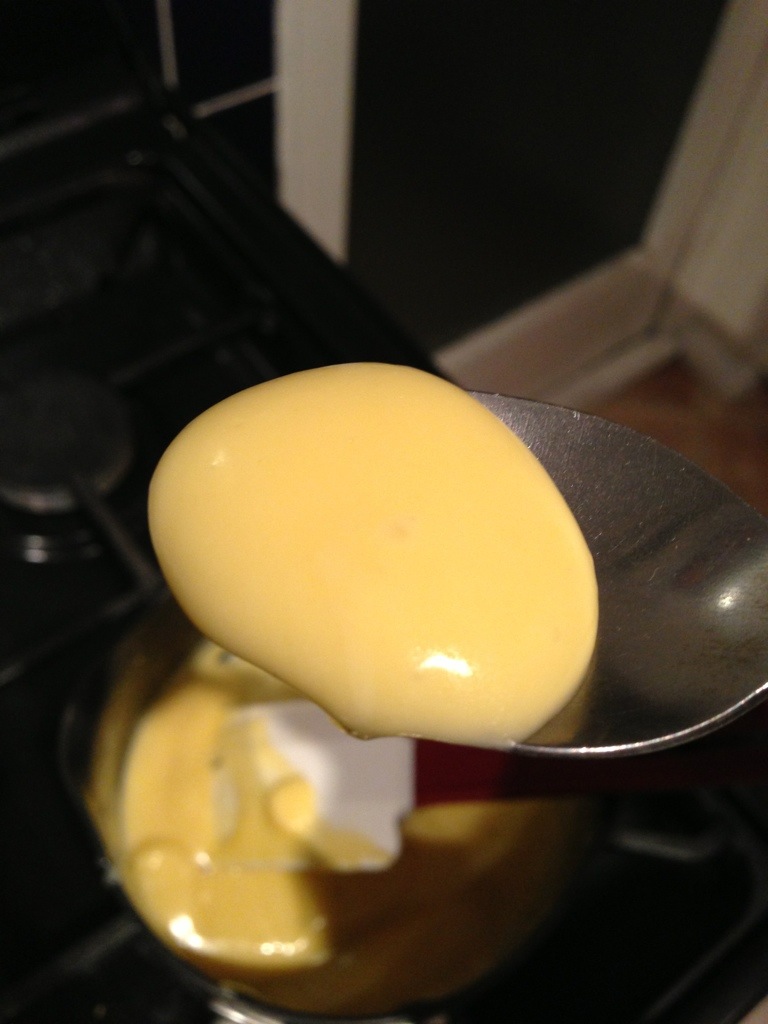
Method 1 (Modernist Cuisine) – This produces a very stable sauce and is largely foolproof. They flavour the vinegar mixture with wine and shallots, which add a lovely acidity. The texture is very thick and smooth, but it still pours. This set an excellent benchmark.

20130108-201636.jpg

Method 4 (Delia/Michel Roux) – This produces a lovely sauce, though it lacks the body of the Modernist Cuisine option. They both suggest plenty of lemon juice which adds a citrus tang, while loosening the sauce. If you want that acidity without the liquid, try a little malic acid.

20130108-201837.jpg

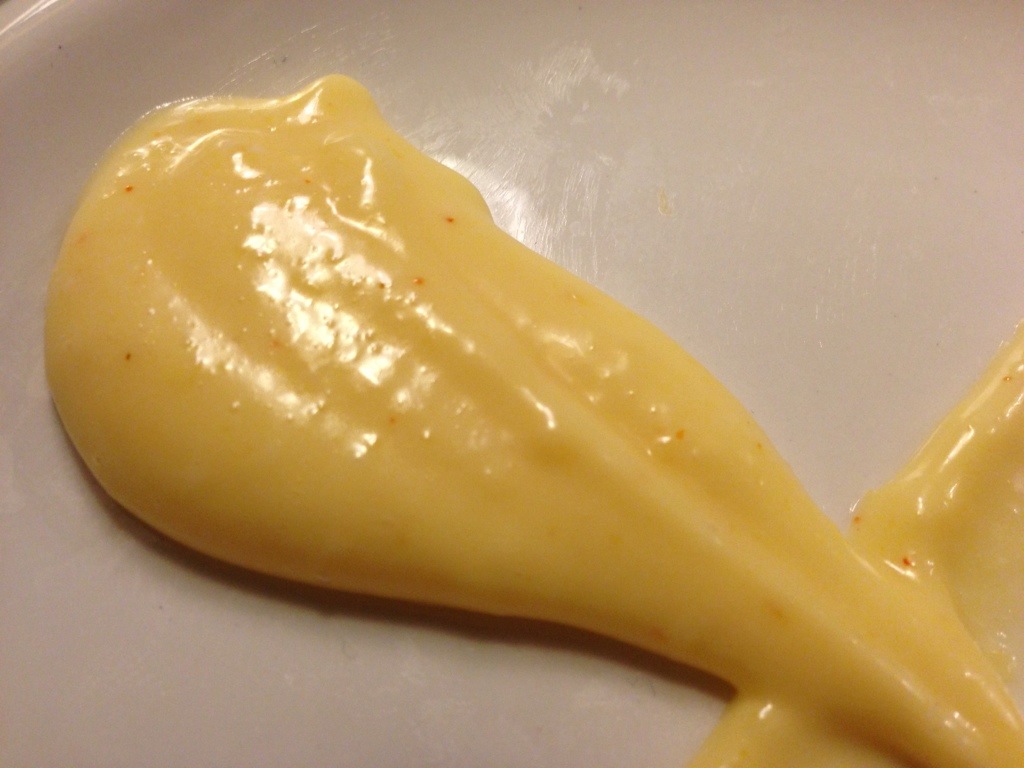
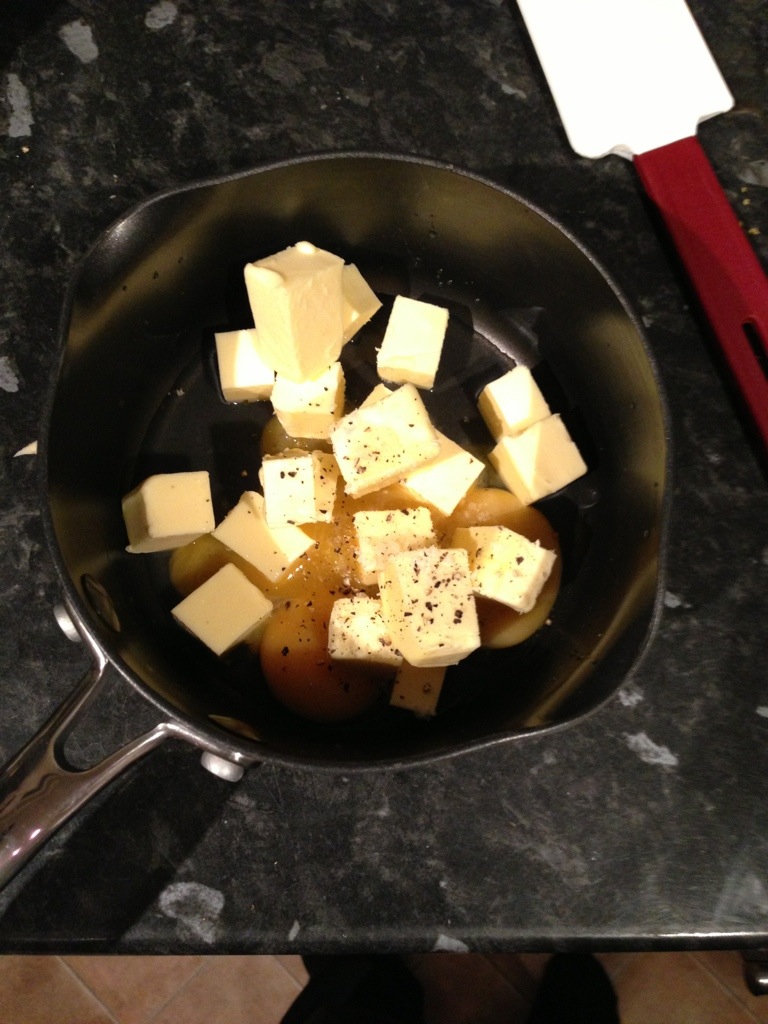
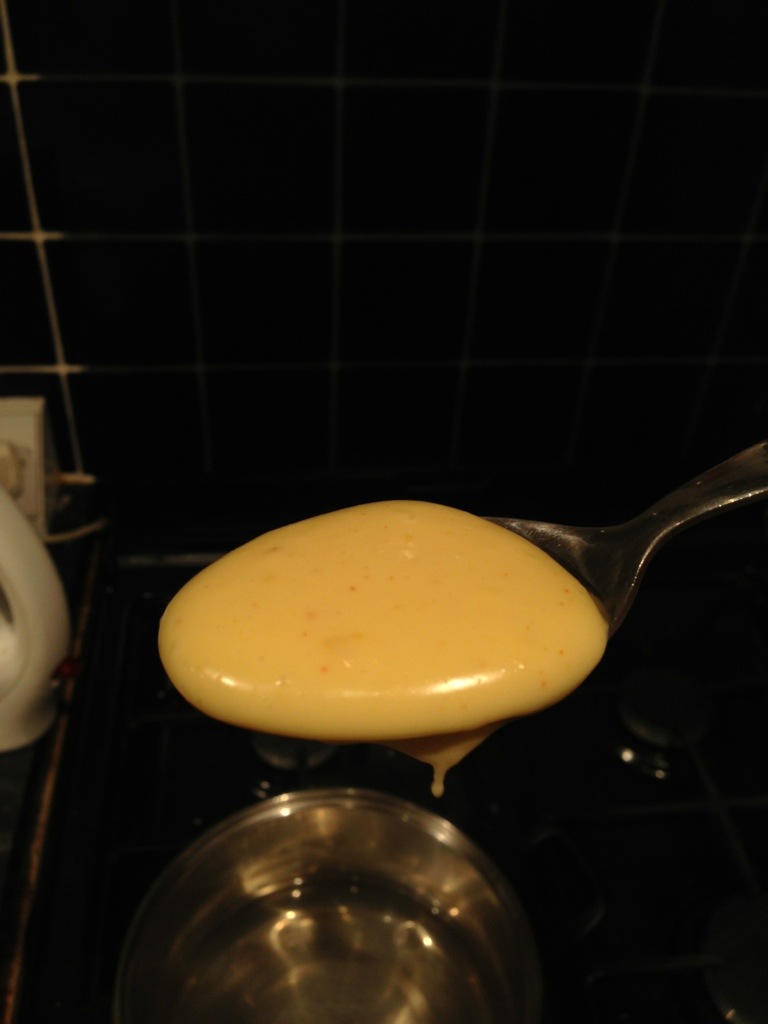
Method 3 (McGee) – I didn’t think this would work, but it does. Incredibly easy, you can even weigh the ingredients in the pan (if your scale tares). Simply pop it on a nice low heat and start whisking, a minute or two later you’ll have perfect hollandaise! It does rely on you knowing when to stop, if you push it too far it will overcook and split like all the others. The flavour and texture was great, if slightly thinner than other methods.

20130108-201907.jpg

20130108-203335.jpg

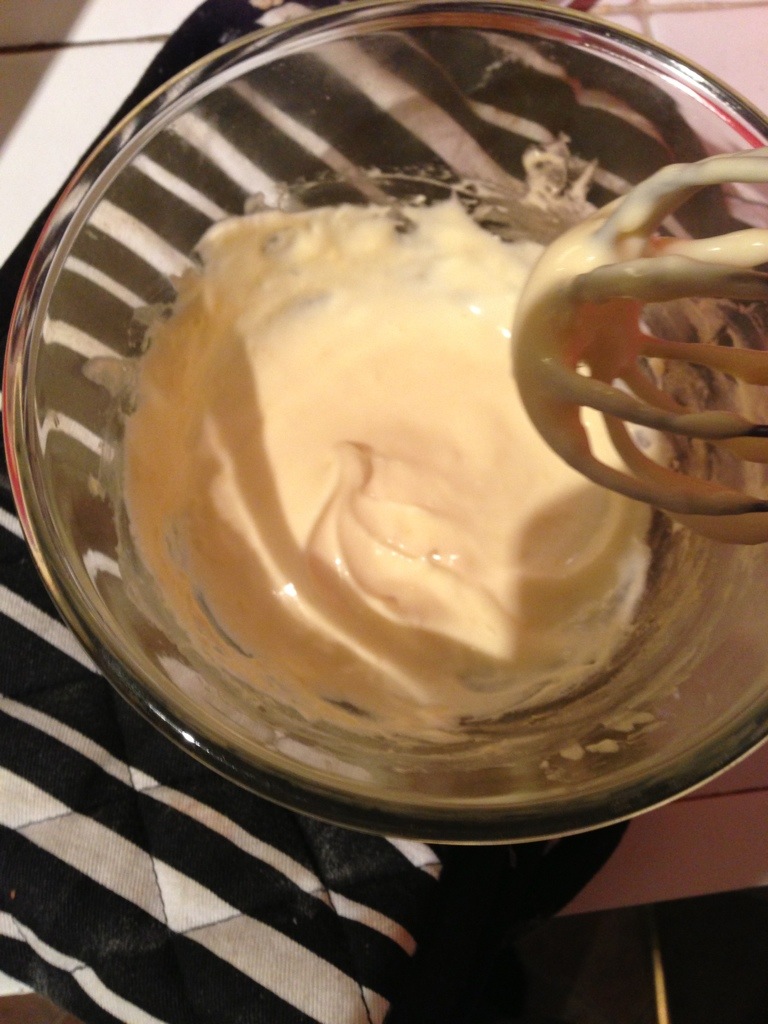
Method 5 (Robuchon and Ramsay) – This is a real work out, making the sabayon then beating in the butter gives you 10-15 minutes of whisk work. The result is very impressive, it appears much thicker than the other methods, a distinct mayonnaise consistency, but the actual mouthfeel is much lighter, due in part to the amount of air you’ve incorporated. For dipping this would be the perfect sauce, but it certainly won’t pour well.

20130108-202024.jpg
The sabayon thickens nicely

20130108-202039.jpg

Conclusion
There are several ways of approaching a hollandaise, but understanding some of the underlying science helps take away the fear. If you know what temperature you’re looking for the chances of it splitting are very slim. As to the exact method – if you’ve got the time and you want the absolute best, the Modernist Cuisine version is excellent. It has the best texture and flavour by some margin. If you just want something for a quick meal? Method 3 is incredibly simple, creates almost no washing up and works beautifully everytime.

Rob’s Instant Hollandaise

Ingredients
2 Large Egg Yolks
125g Butter
1 dessertspoon White Wine Vinegar
1 dessertspoon Lemon Juice
Pinch of Salt and Pepper

Method

  1. Place all the ingredients in a small pan over a low heat and being whisking.
  2. When the sauce reaches a relatively thick consistency simply take it off the heat and keep stirring for a few minutes as it cools. (If you have a thermometer, you want to stop cooking it before it reaches 65ºC)
  3. That’s it!

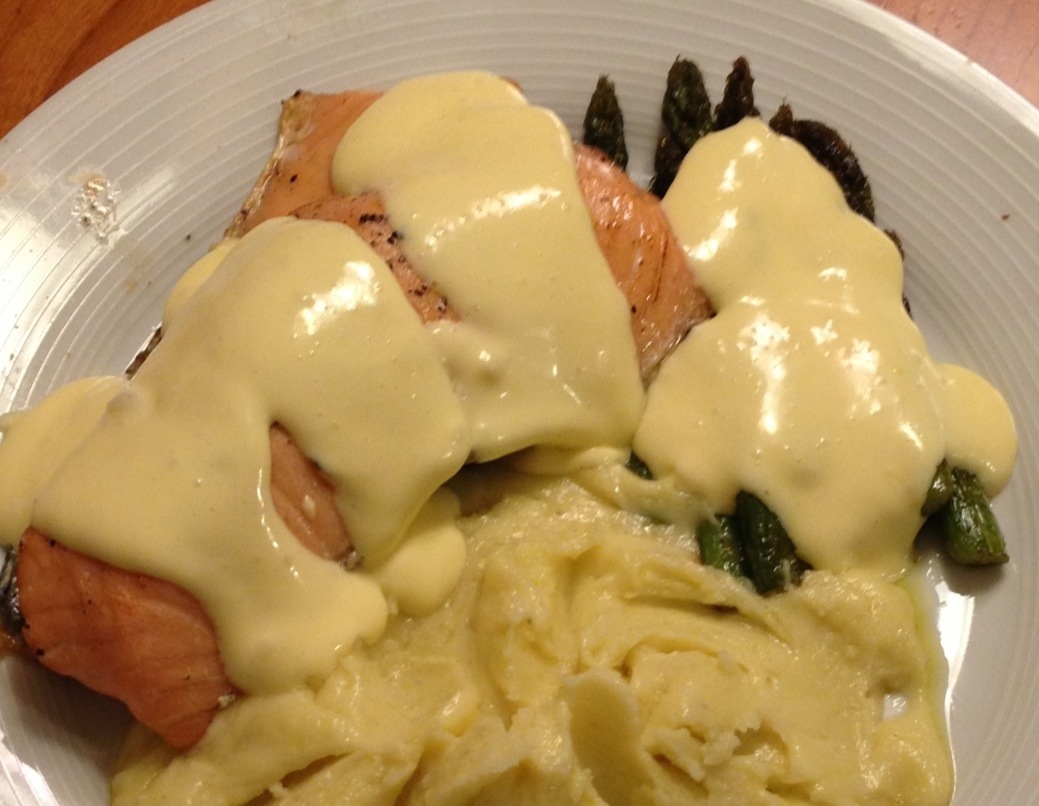
Whichever method you go for, grab some asparagus, poached eggs or smoked salmon (preferably all three) and whip up a batch of delicious buttery sauce to go over it. Bon appetit!

Tonkotsu

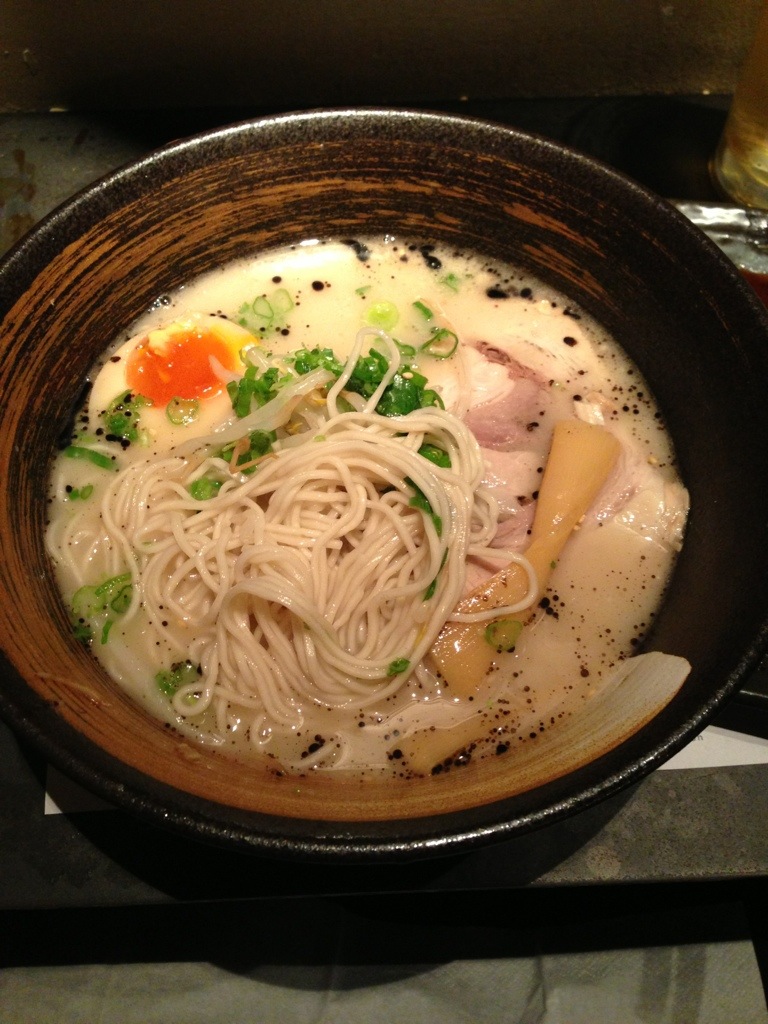
Chinatown and it’s surrounding areas are full of cheap, plastic chinese restaurants. Bright lights and 70s decor welcome the tourists, but recently another breed of restaurants has opened shop offering simple, authentic food at affordable prices.

20130103-191834.jpg

Tonkotsu has been around for a while now and is a firm blogger favourite. They serve ramen – big steaming bowls of it. The menu is wonderfully simple – one of three kinds with a few sides and extras (get the pork gyoza as a starter). They also serve an excellent selection of local beers, Kernel and Camden breweries being well represented. The staff are friendly and the ‘no booking’ policy seems to work great, turning up on a Thursday evening we were seated immediately.

20130103-191500.jpg

So how does it taste? In a word – stunning. The pork stock is rich and savoury, the noodles are to die for. Just the right level of al dente and dripping with sauce. The pork is tender and sweet, the vegetables perfectly cooked and the egg delicious (order extra). Great value for money.

Tonkotsu on Urbanspoon

Christmas Time

Christmas is obviously about far more than just food, but its also a great excuse to really go for it in a culinary sense. I spent a healthy chunk of the holidays in the kitchen and this is what I got up to.

Fudge
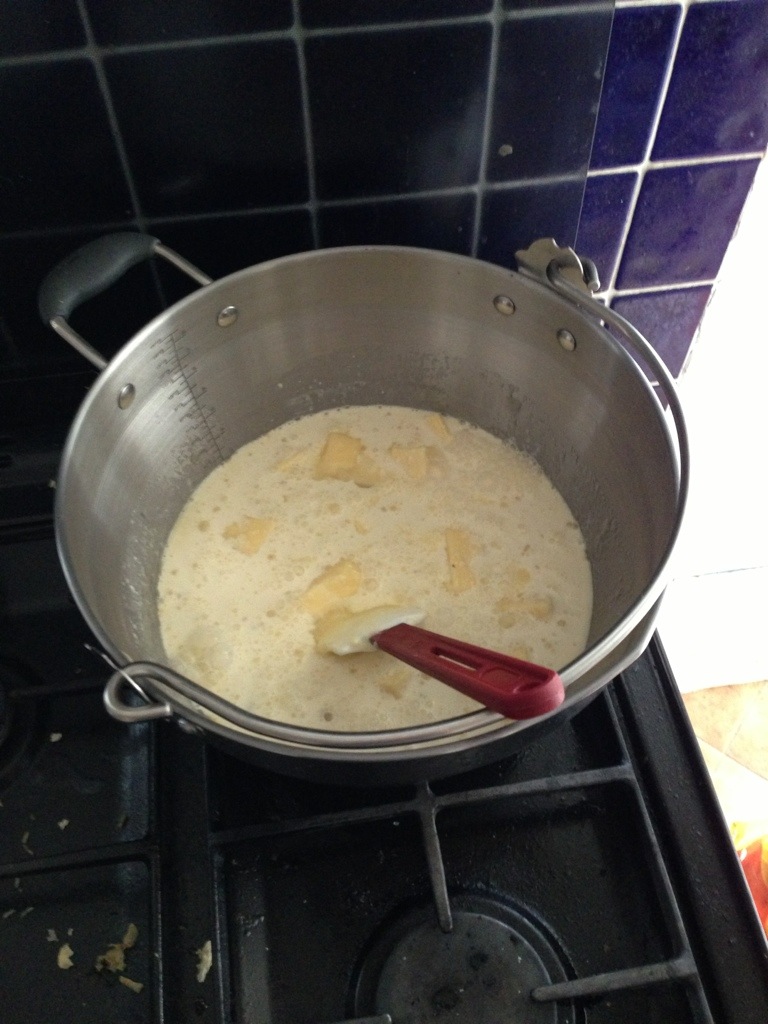
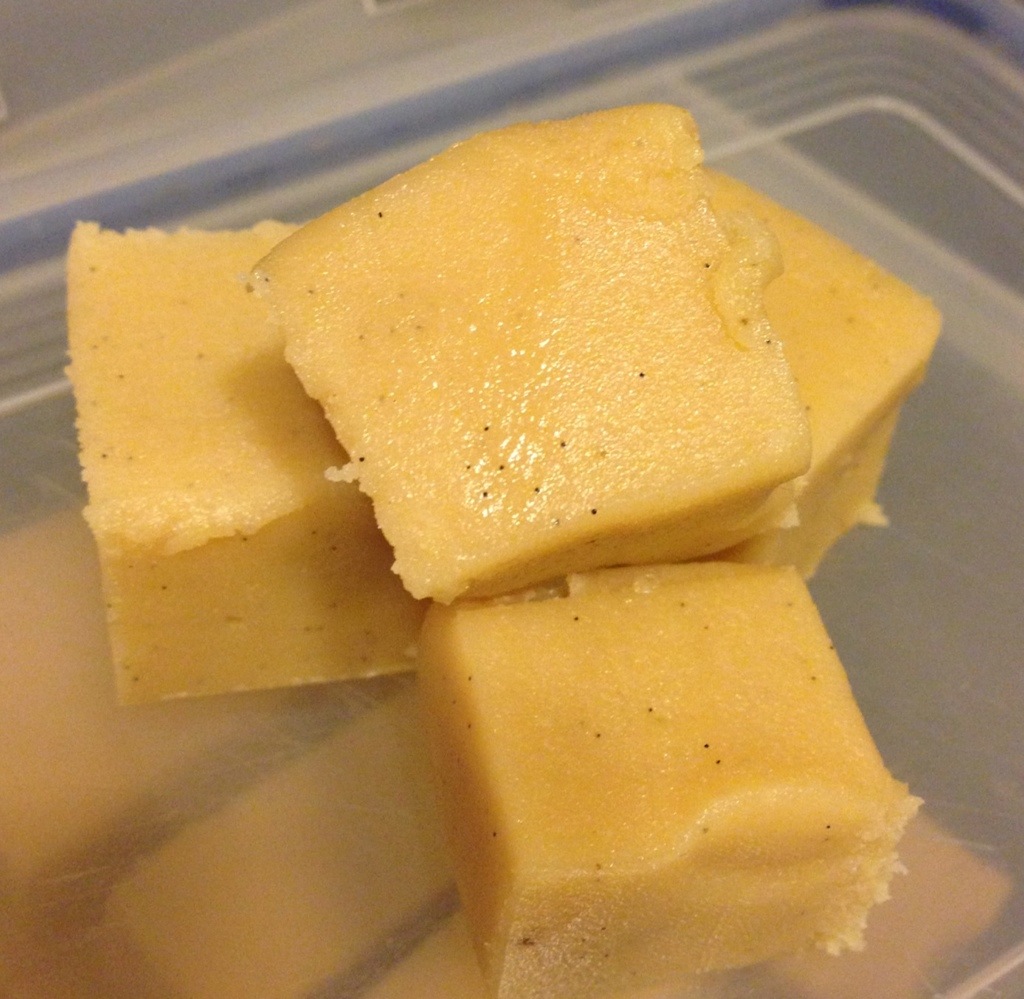
I made Christmas hampers for lots of my family – over the course of the year I’ve saved some jam and other preserves and packaged them up with a bottle of my beer. I wanted to add something fresh to it so I whipped up a batch of fudge. Fudge can mean everything from crumbly and hard to soft and chewy. I went down the softer end of the spectrum with a lovely American recipe.
20130101-162936.jpg

20130107-215853.jpg

Mince Tart
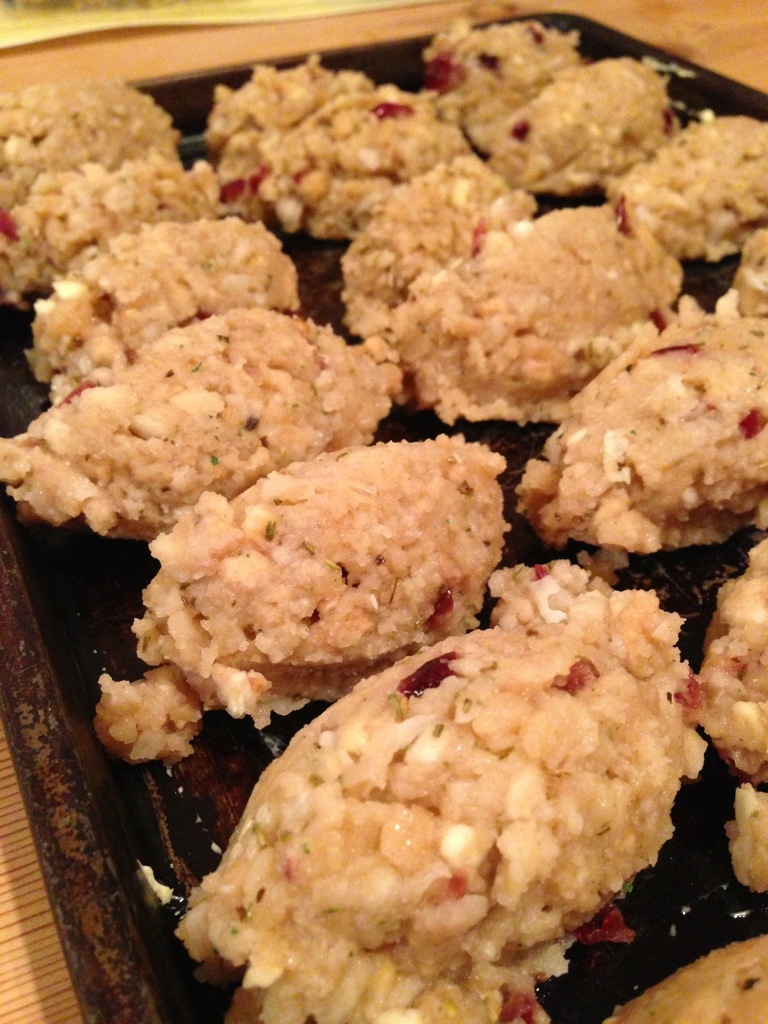
I made a couple of batches of mincemeat, it’s very easy and tastes much nicer than shop bought. This was a large lattice pie that I threw together one afternoon for dessert.
20130101-163103.jpg

Filo Pies
Christmas can be quite heavy – this is a much lighter alternative which has about an eighth of the fat of a normal pie.
20130101-163204.jpg

Shortcrust Pies
I’ve tried a couple of pastry recipes this year – including one where you sous vide the egg yolks. This version, by Paul Hollywood, is by far my favourite – crunchy, crisp and rich. It uses scary quantities of butter though…
20130101-163421.jpg

Christmas Dinner
I love Christmas dinner. The combination of turkey, stuffing, fluffy roast potatoes, pigs in blanket, proper thick gravy, veg. It’s magic.
20130101-163502.jpg

Over the years we’ve tried a few different methods of cooking the turkey, this one (tented upside down, browned right side up just at the end) seems to work great.
20130101-163531.jpg
For the gravy I used a double-stock base. This is simply using chicken stock as the liquid for the turkey stock and it works really well. You get a much more intense flavour which really suits the meat.
20130101-163616.jpg

Crayfish and Mango Salad
Recently we’ve taken to doing starters, given what follows on it needs to be something very simple and refreshing. This is a lovely light citrusy dish I’ve done before, even better when served with some nice bubbly!
20130101-163707.jpg

Mulled Wine
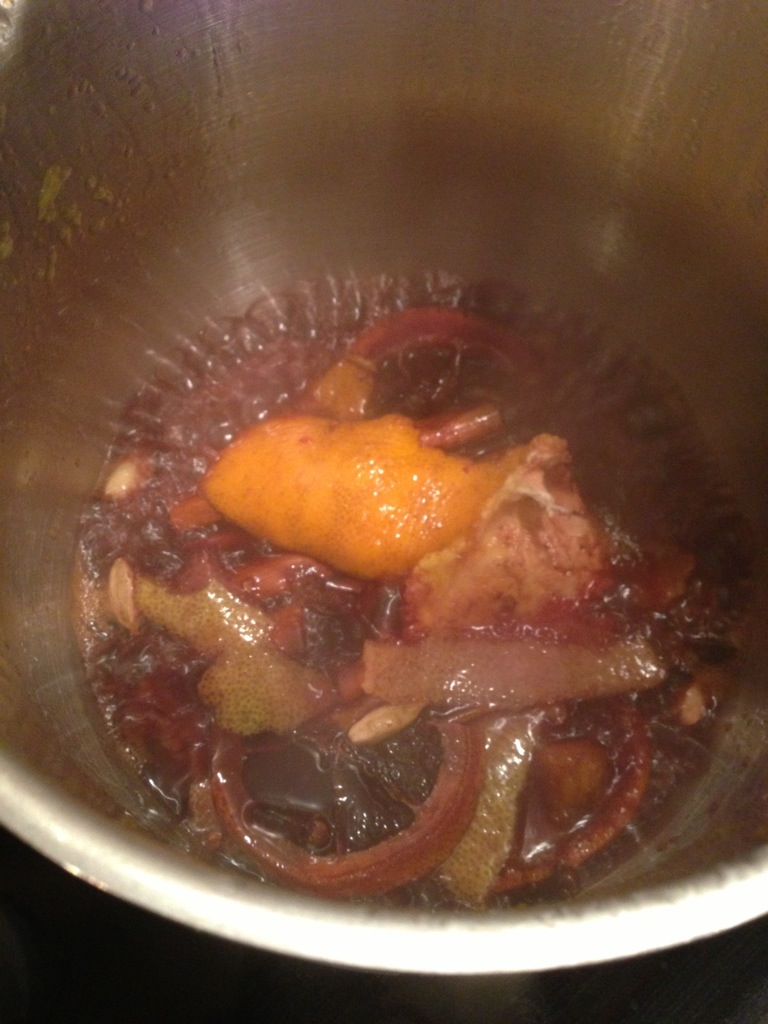
You can put lots of things inside mulled wine, but I think a combination of port, brandy and ginger wine adds the most. Using a sugar syrup base also allows you to get everything out of the spices before adding most of the liquid – preserving its flavour.
20130101-163747.jpg

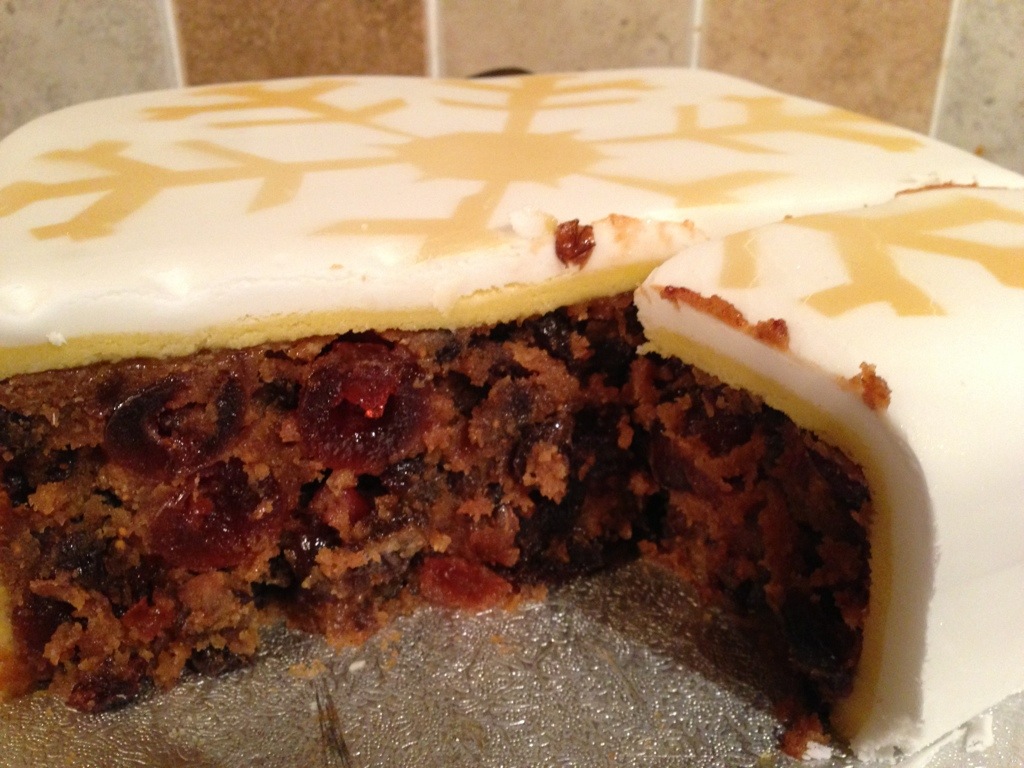
Christmas Cake
While a mainstay of Christmas, the cake can be heavy and dry. I usesd Peggy Porschens recipe luxury fruit cake recipe – it gives a very moist, light result.

20130101-163910.jpg

Cheese Board
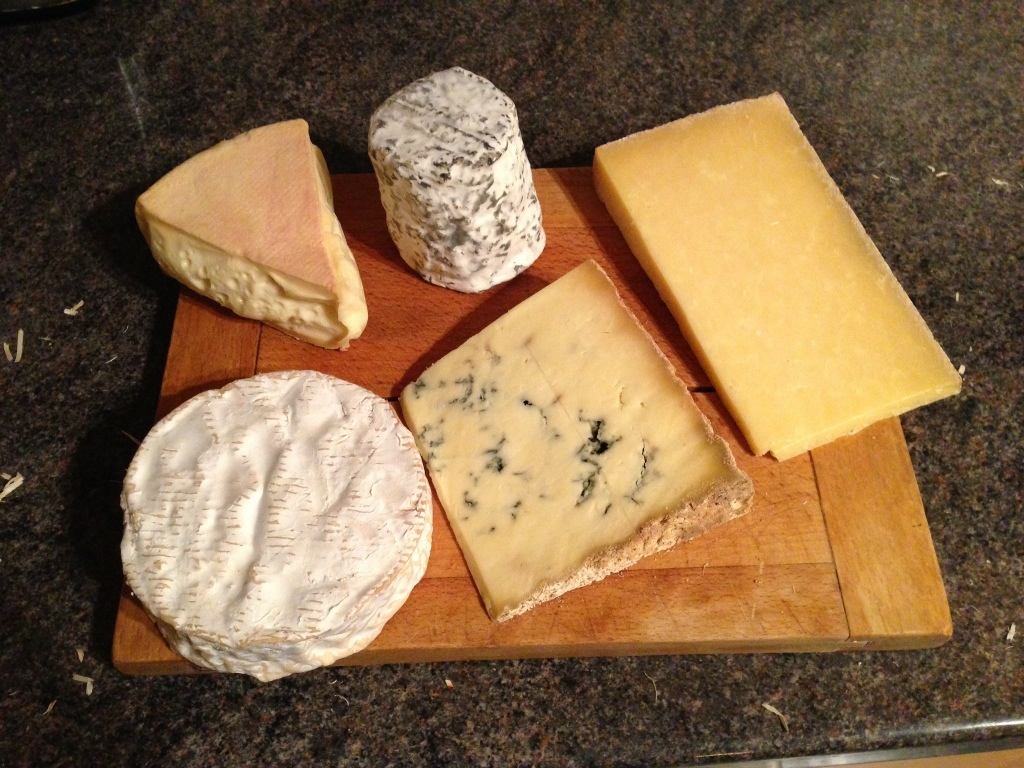
Cheese is one of the best bits of Christmas. I picked up my selection from Neal’s Yard the week before Christmas (top tip: order in advance so you don’t have to queue and they’ll pick cheeses which will be ripe whenever you need them.

20130101-163825.jpg
I went for:
Montgomery Cheddar – You have to have cheddar and this is one of the best.
Stichelton – Stilton is another staple and this is a gorgeous example, while not from the right area it has a delicious moistness similar to a Roquefort.
Dorstone – A goats cheese is a must and this ash coated beauty is just perfect. Rich, creamy, acidic, smokey. Heaven.
Tunworth – Camembert is a great cheese, how can you make it better? Make it British. Top quality British milk results in a superb soft cows cheese.
Stinking Bishop – My favourite cheese. It’s name is well deserved, the perry washed rind is
incredibly strong. The entire fridge will smell for weeks. But the flavour is amazing: smooth, creamy and rich.

All served with some delicious homemade onion marmalade. Yum!

Pitt Cue Co. and More

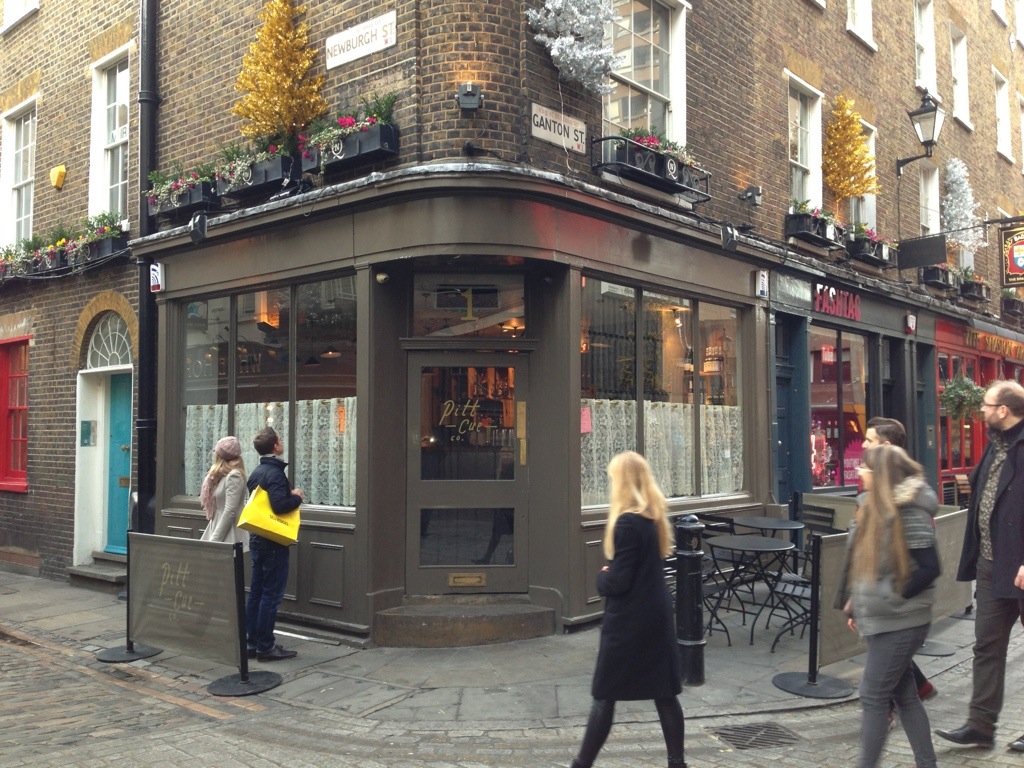
Pitt Cue Co.

Barbecue as a concept means vastly different things depending on your background. It can be as simple as a sausage grilled outside to a complex multi-stage smoking of an entire carcass. Regardless of it’s definition it’s certainly delicious and a fantastic way of enjoying some of the more unusual cuts of meat.

Pitt Cue Co. has taken the blogging scene by storm – the queues outside are testatment to their ‘cue prowess. You can’t book, the menu is simple and unpretentious, and the restaurant tiny. Turning up on a weekend afternoon, I was very unsure we’d get in but after a short wait we were shown to our table.

20121217-213700.jpg

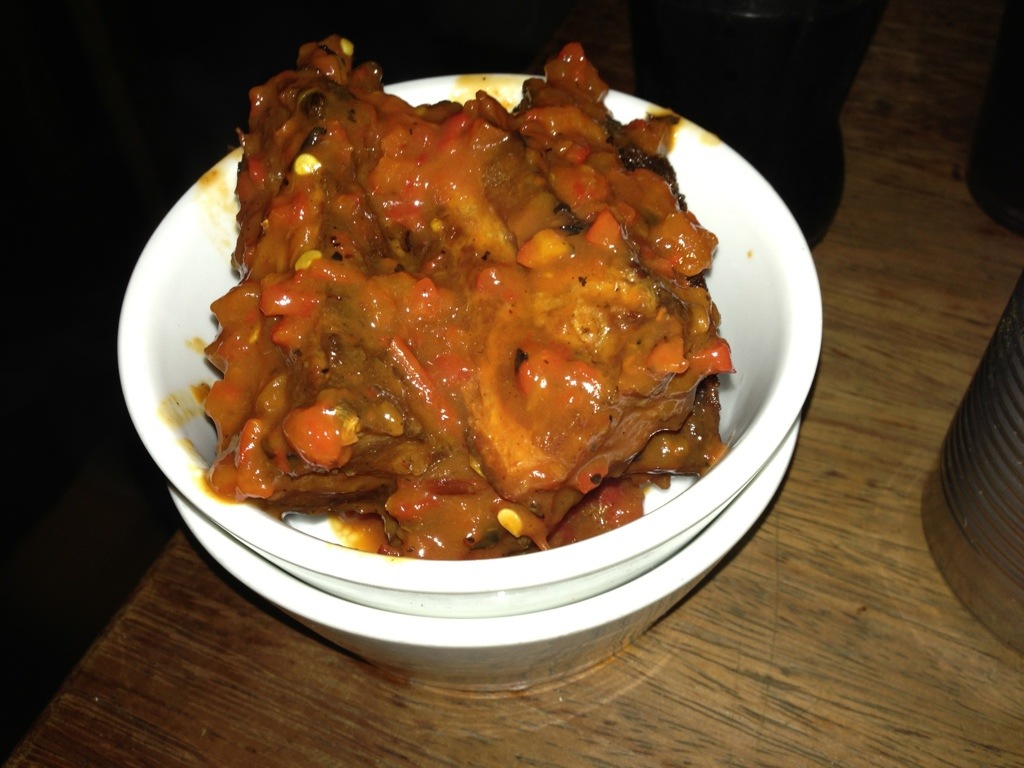
The food is incredible. Generous portions of tender flaky meat slathered in rich smokey sauces. The sides are magnificent too – I went for bone marrow mash and brussel tops but the grilled leeks are stunning too.

20121217-214030.jpg
My pulled pork was just perfect – piggy, soft and with just the right amount of seasoning. It was served with a lovely sour slaw, which helped cut through the richness and a very nice home made pickle. I also plumped for some rib tips – the odds and ends left over from tidying the racks slow cooked and slathered in hot sauce – magic.

20121217-213738.jpg

If you can get a table, and you’re longing for something meaty, uncomplicated and fun – I can’t think of a better place to go!

The Black Swan
Situated just outside Ockham in Surrey, The Black Swan is everything you could want in a country gastro-pub. I went for their starter platter which is incredible for two to share. Welsh rarebit, rabbit sausage rolls, potted venison, potted trout, scotch quails eggs, devils on horseback, pickled walnuts, onion chutney, piccalilli, Norbury blue (a delightful soft blue local cheese) and salad. It’s quite a meal.

20121217-213921.jpg
Chinese Cooking
Making some more recipes from ‘Every Grain of Rice’ I whipped up some slow cooked beef with bamboo tofu, stir-fried cabbage and dried shrimp and a tiger salad. Exotic, yummy and dangerously good.

20121217-213824.jpg

20121217-213837.jpg

20121217-213844.jpg

Pitt Cue Co on Urbanspoon

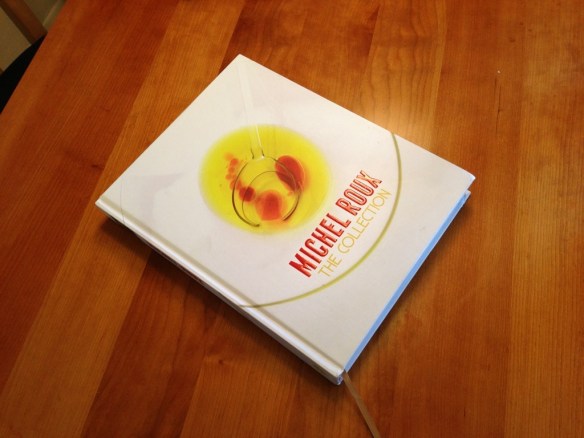
Michel Roux: The Collection

Michel Roux, alongside his brother Albert, have perhaps done more for British restaurant cuisine than anyone. Dragging it kicking and screaming from the mid-seventies horrors of ‘chicken in a basket’, Le Gavroche and The Waterside Inn are landmarks in england’s culinary landscape. Their kitchens have transformed our view of classical french cuisine and have nurtured the careers of numerous future stars, not least Gordon Ramsay; and their sons, Michel Jr. and Alain.
20121202-152802.jpg

In his latest book, Michel draws together a selection of his recipes from a variety of areas, including everything from quick breakfasts to desserts. He covers basic culinary staples like stocks and pastry making as well as more classical dishes, like Coquille St Jacques and Bouillabaisse.

The book is beautifully laid out – with lovely photography and detailed explanations of complicated techniques. Measurements are sensibly chosen and ingredients shouldn’t be too difficult to find. I wanted to pick something simple but fun, so I went with croissants.

Recipe – Croissants
Reproduced by kind permission of Quadrille Publishing

Makes 12-14 small croissants (1.1kg dough)

Ingredients
25g Fresh yeast (available from any bakers)
250ml Tepid milk
275g Butter (cold but not too hard)
12g Fine salt
50g Sugar
500g Plain flour
Egg wash (1 yolk mixed with 1tbsp milk)

20121202-152918.jpg

Method

Making the Dough

Dissolve the yeast in the milk in a bowl. Put the flour, salt and sugar in an electric mixer fitted with a dough hook and mix at low speed, gradually adding the yeast mixture. Stop working the dough as soon as it comes away from the sides of the bowl, the texture must not become too elastic.

20121202-153155.jpg

Cover the bowl with cling film and leave the dough to rise in a warm place (at about 24°C) until doubled in volume; this should take 45 minutes to 1 hour. Knock back the dough by flipping it over with your hand to release the carbon gas, but do not overwork it. Cover the bowl again with cling film and place in the fridge for at least 4 hours, but not more than 8 hours. Knock back the dough in the bowl again, then transfer it to a lightly floured work surface.

Shape the dough into a ball and cut a 5cm deep cross in the centre. Roll out the 4 sides to make flaps. Bash the butter into a rectangle with the rolling pin and place it in the centre. Fold the flaps over the butter to envelope it completely.

First turn – Lightly flouring the surface as necessary, roll the dough out to an 80cm x 30cm rectangle. Fold the rectangle into three. Wrap in cling film and chill for 30 minutes.

Second Turn – Give the chilled dough a quarter-turn, roll out to a rectangle, fold again, wrap and chill as above.

Third and final turn – Roll the dough out in the opposite direction from the previous turn to a rectangle and fold as before. Wrap in cling film and chill for at least 30 minutes (no more than 1 hour).

Shaping and Baking Croissants

You will need a triangular cardboard template, measuring 9cm across the base and 19cm high. Lightly flour the work surface and roll out the dough (after its final turn) to a 65cm x 40 cm rectangle, 3mm thick. Lift it slightly off the work surface and flap to aerate it and prevent it from shrinking. Trim the four sides of the dough with a chef’s knife, then cut it in half lengthways to make two even sized bands. Using the template as a guide, cut the dough into triangles.

Lay a dough triangle on the work surface with the base towards you. Use the knife to make a 2cm deep incision in the middle of the base, pull the 2 points of the bas slightly, then pull the point of the triangle.

Roll up the triangle starting from the base and continue until you reach the point. (For a savoury croissant, lay a slice of ham at the base before starting to roll). Turn the points inwards to form a crescent. Repeat to make the other croissants as quickly as possible.

20121202-153245.jpg

Place the croissants on a baking sheet, spacing them apart and lightly brush with egg wash, starting on the inside and working outwards so that the dough doesn’t stick together and prevent the croissants from rising properly.

Put the baking sheets in a warm, preferably slightly humid place (at 25-30°C) and leave the croissants to rise for 1 hour until they have almost doubled in size. When they are nearly ready, preheat the oven to 160°C (Gas 3). Lightly brush the croissant with egg-wash again and bake for 12-14 minutes.

The Verdict
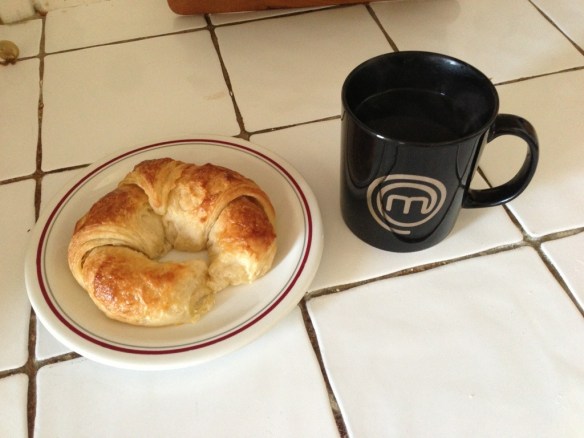
The croissants were gorgeous – light, fluffy and very moist. Next time out I’ll be a little more generous with the egg wash, but I’m really pleased with the result!
20121202-153256.jpg

The recipe was easy to follow, the ingredients should be in any cupboard (apart from the fresh yeast, which is available directly from the bakers of any large supermarket) and none of the techniques should cause any trouble to even the most timid chef. I do have one top tip for whenever you are doing ‘multiple folds’ for things like puff pastry: make a small dot mark with a finger to show which ‘turn’ you’re on (e.g. two dots for the second turn). It’s very easy to forget when you take it out the fridge!

The book is really lovely and i’m looking forward to trying out a number of other dishes which i’m sure will make an appearance on here over the coming months. If you’re looking for a comprehensive introduction to french cooking – look no further. It’s a miniature Escoffier for the modern age.

Michel Roux: The Collection, RRP £25, is published by Quadrille and is available from all good bookshops.

Two Book Dinner

Quiet weekends are few and far between, but when they happen I normally find myself flicking through a cookbook from my (very modest) collection. I’ve recently got two wonderful new ones so I picked a recipe from each and went shopping!

Every Grain of Rice – Pak Choi and Shiitake Mushrooms

20121201-203133.jpg
This was a leaving present from my last assignment – thank you Yin! Every Grain of Rice by Fuchsia Dunlop is a lovely collection of simple, easy to cook chinese food. Based firmly around the kind of thing that’s cooked every day in China, it covers lots of vegetarian, fish and meat dishes. Clearly written with sensible measurements (and drool inducing photography) it has everything I look for in a cookbook. She makes a real effort to choose from a sensible range of ingredients, and though you might need to pop to an asian supermarket, you won’t need to search hard or make more than one trip.

20121201-203911.jpg

I chose to make the Pak Choi and Shiitake Mushrooms. You quickly blanch the vegetables before stir-frying them in oil with ginger and garlic, then gently coating them in sugar, potato flour and water to create a sticky glaze. They were beautifully fresh and full of flavour – cooking them like this preserves a lot of the natural texture and was a perfect side dish. End to end it can’t have taken more than ten minutes – I can’t wait to try out some more of the recipes!

Modernist Cuisine at Home – Pork Belly Adobo
I’m currently writing a much longer post about this cookbook, which has become the pride of my collection almost overnight, but in the meantime here’s a quick sneak peak!

20121201-204004.jpg

Pork Adobo is found throughout the Spanish-colonised world – but this particular version is considered a national dish in the Philippines. You cook generous chunks of pork belly in a rich, sticky, savoury sauce that goes great with rice and some asian vegetables. Using a pressure cooker dramatically reduces the cooking time and increases the caramelisation, lending a lovely sweetness to the dish. It tastes divine and requires very little effort – I ploughed through a generous portion in seconds!

20121201-204039.jpg